 Become a partner
Be part of the farm.
Be part of the harvest.
We bring together like-minded people to grow bananas on professionally managed farmland — powered by data, AI and hands-on agronomy.
How it works
You contribute toward a farming cycle. CoFarm handles everything on the ground. The harvest is shared.
Each cycle runs roughly 12–14 months. The partnership is a three-cycle commitment — principal returns with your third harvest share at the end of year three.
Farm economics
Three production cycles behind us — real challenges, real learnings. What follows is not a polished pitch, but the honest account of what we got right, what challenged us, and what each season cost.
Every cycle carries input costs — land lease, saplings and infrastructure, manure, nutrients and labour, maintenance — set against harvest proceeds. What is left after operational costs is split 50/50.
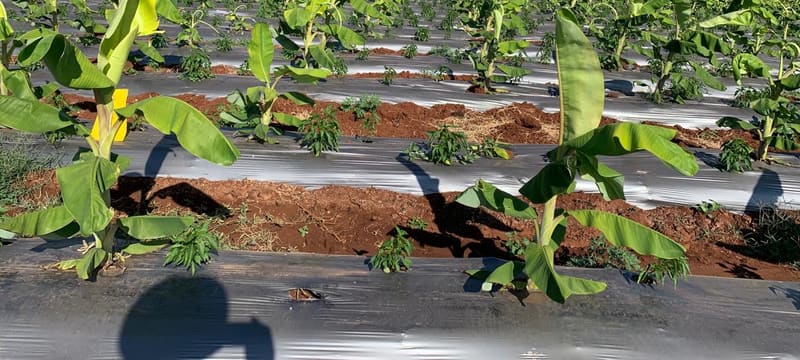
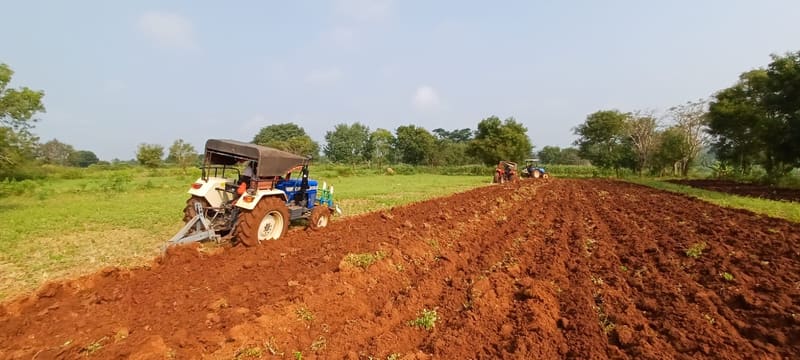
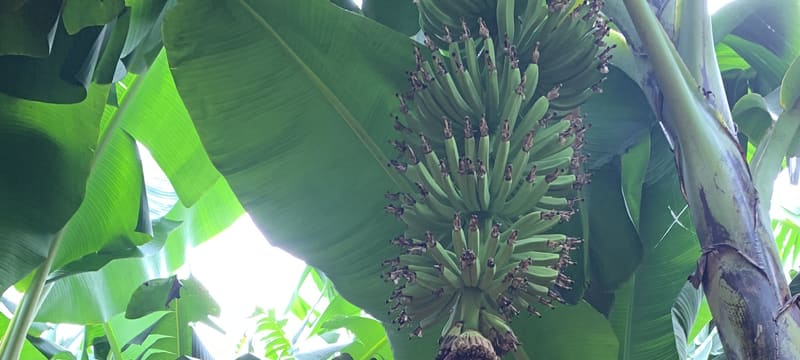
Every challenge above was lived, not theorised. Three cycles have shaped an operation that is leaner, more disciplined and more resilient than where we started.
Request the full cycle logThe numbers, cycle by cycle
one acre of Yelakki, worked through all three cycles1 acre · 1,000 productive plants · 10 kg average per plant · 10,000 kg per cycle at a farm-gate price of ₹35 / kg
Your 50% share of net proceeds. Principal contribution stays in the partnership.
The only cycle carrying saplings and infrastructure cost — land prep, planting material, drip lines and fertigation are built once.
Illustrative figures based on past cycles, for one acre of Yelakki. Cycles 2 and 3 assume no repeat infrastructure cost. Actual proceeds depend on yield, market prices and farm performance. This is agricultural produce, subject to natural variability — not a guaranteed financial return or a financial product.
Planting both reduces exposure to price swings and seasonal demand shifts.
Information technology, at the core of the field
Agronomy decisions made on data rather than habit — and occasionally, on something a human consultant missed.
Six categories of risk, managed deliberately rather than hoped away — every one of them worked out across three real cycles.
Farm selection+
Every new project is capped at 10 acres. Our first consolidated parcel was 20 — too big to hold to a standard, with patches of high-pH soil we had not fully screened. At 10 acres, land, labour, irrigation, disease control and water sourcing are all controllable.
Pest & disease+
Certified, disease-free planting material only goes so far — timing decides the rest. We now combine local expertise with our own scientific management and a labour force carrying two years of hands-on experience, catching pressure earlier at a fraction of the earlier advisory cost.
Climate & water+
One centralised irrigation system proved expensive and vulnerable to summer ESCOM power cuts. Cycle three moved to decentralised irrigation on a 10-acre footprint — lower capital cost, no single point of failure, and backup water arranged from neighbouring borewells when rain is late.
Soil & nutrient health+
The most straightforward of the six, and the one place our approach has stayed consistent. City compost built fertility early; we shifted to locally sourced poultry manure at comparable cost with better results, and have stayed with it since.
Skilled labour+
Local hired labour was hard to manage and migrant labour brought high attrition. We now hire from Odisha — people who already farm their own holdings — train them in banana cultivation specifically, and develop senior workers into farm operation owners handling pumps, valves and repairs themselves.
Market access & demand+
The risk that hit hardest: cycle two saw banana prices crash to a near-decade low despite our tie-ups holding. It pushed us off raw fruit sale as the only revenue line — distributor tie-ups are now agreed ahead of harvest, with banana chips in motion and stem processing under exploration.
“Farming and running have a lot in common. Both demand discipline, patience, and the ability to keep going when conditions get tough.”
From the fields, to Microsoft, back to the fields
I grew up going to the farm with my mother every school holiday. While other kids played, I was in the fields — watching, learning, breathing agriculture. It never really left me, even through engineering college and a career at Microsoft in Bangalore.
In 2016, I closed my laptop for the last time and jumped into farming. No salary, no safety net — just soil.
I started Nimblegrowth Organics. At our peak, we were the second-largest supplier of organic fruits and vegetables in Bangalore. It felt like we were building something that mattered.
Then COVID hit. The organic market didn't slow down — it collapsed. Everything we'd built came apart in months.
We had to pivot, hard. We moved into banana cultivation across the Mysore belt, and this time we went deep — into the agronomy, the data, the day-to-day discipline of running a farm as an operation, not a hobby. Today, Kiaan Agrowtech cultivates 100 acres of banana, and CoFarm is how we bring partners into that operation.
Why that history matters to you as a partner
I'm not a first-time operator, and I'm not managing your farm from a spreadsheet in a city office. I've had a venture taken apart by forces outside my control, and I've had to rebuild — leaner, more disciplined, and a lot more honest about risk than I was the first time round. That's the same honesty you'll see in CoFarm's economics, our published P&Ls, and our answers to the uncomfortable questions.
The engineering background didn't go away either — it's why CoFarm runs on data, drip irrigation and fertigation, and AI-assisted disease diagnosis, instead of habit and guesswork.
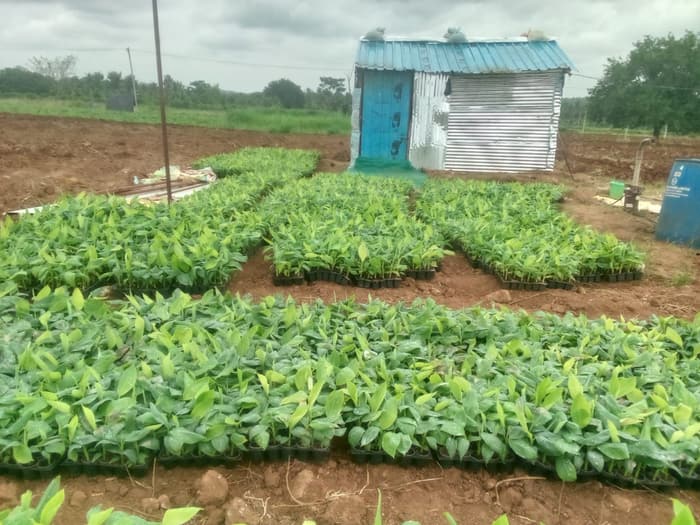
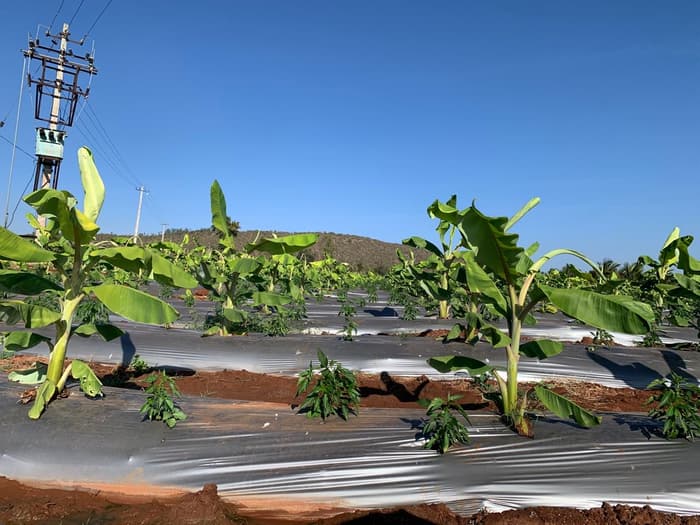
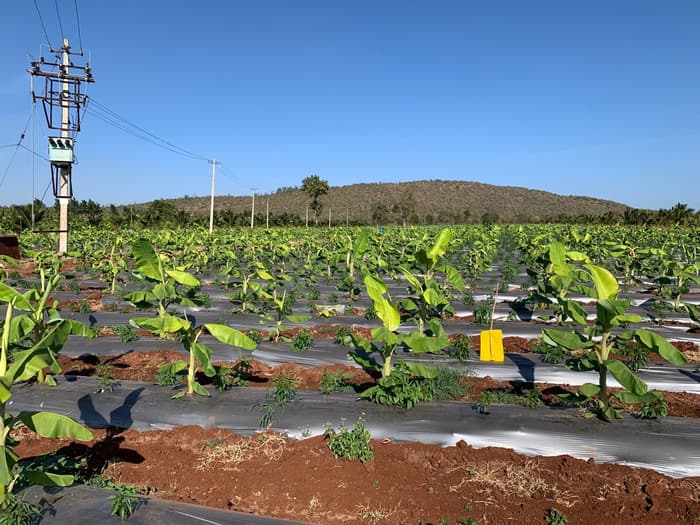
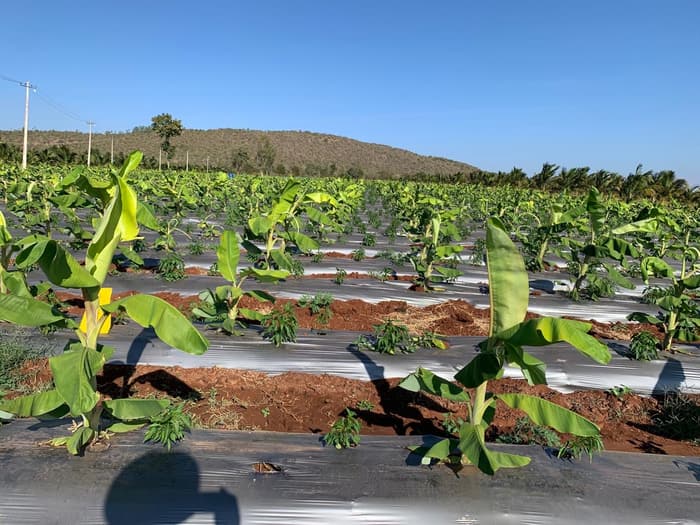
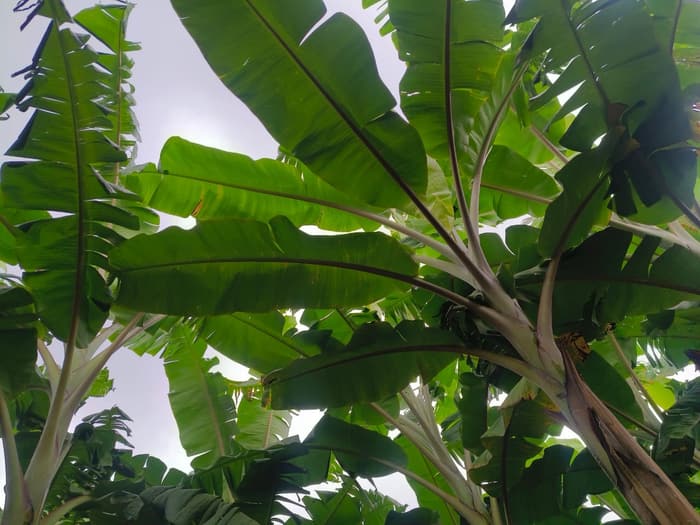
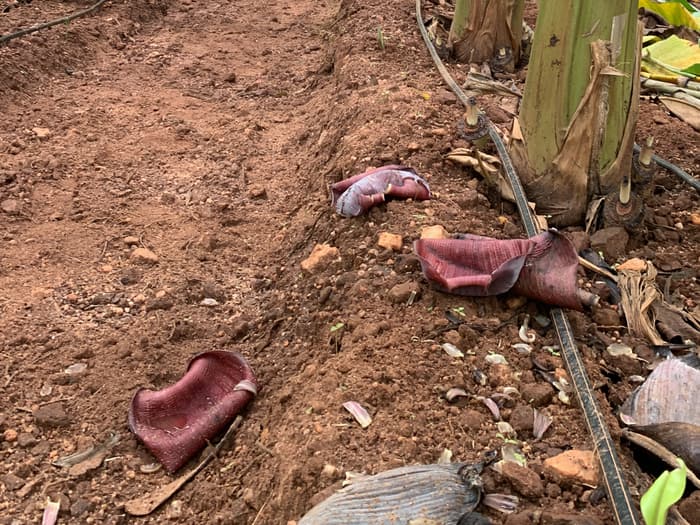
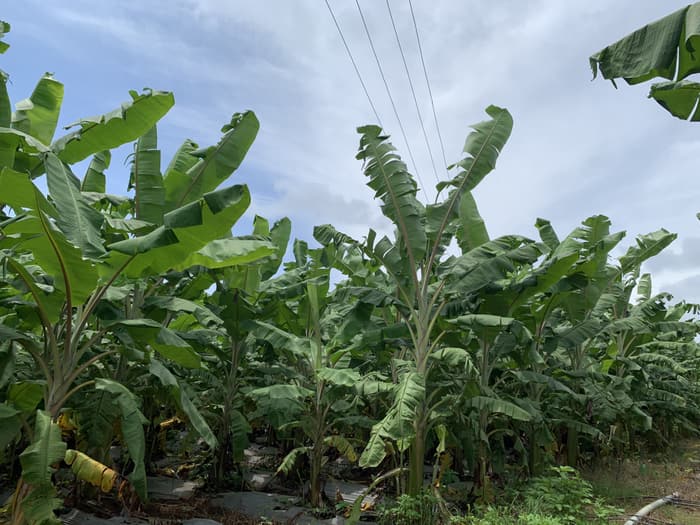
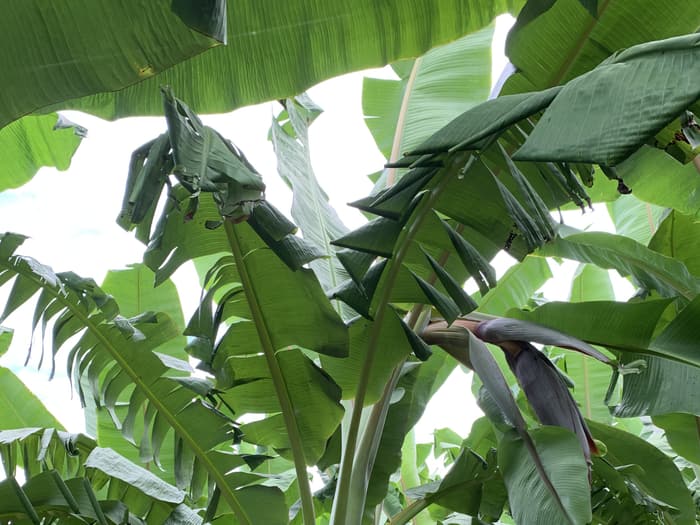
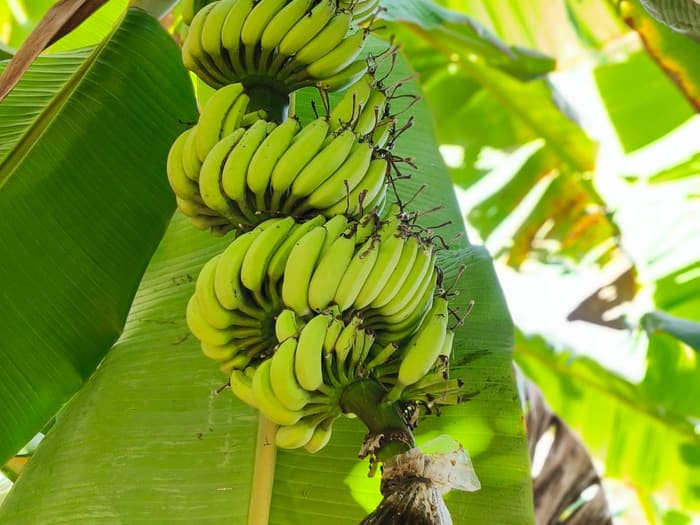
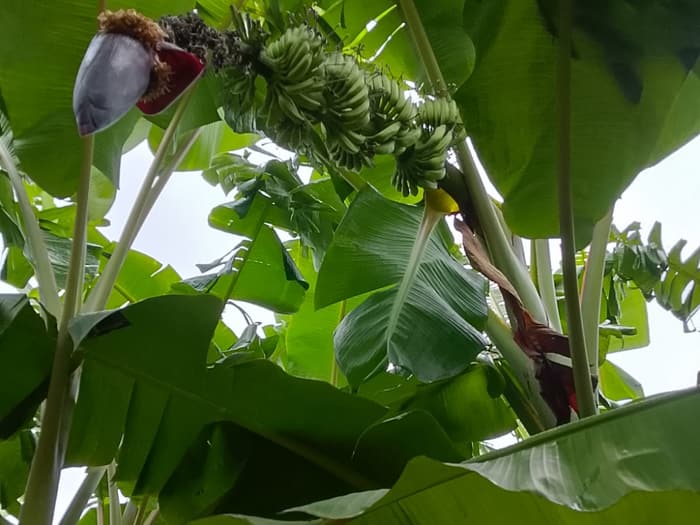
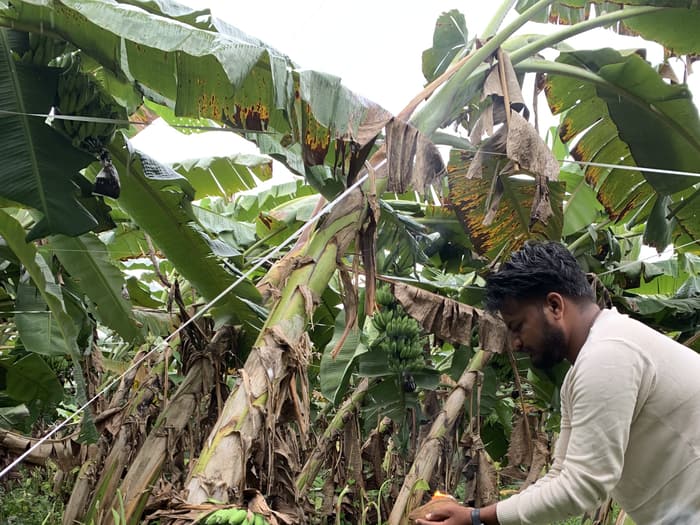
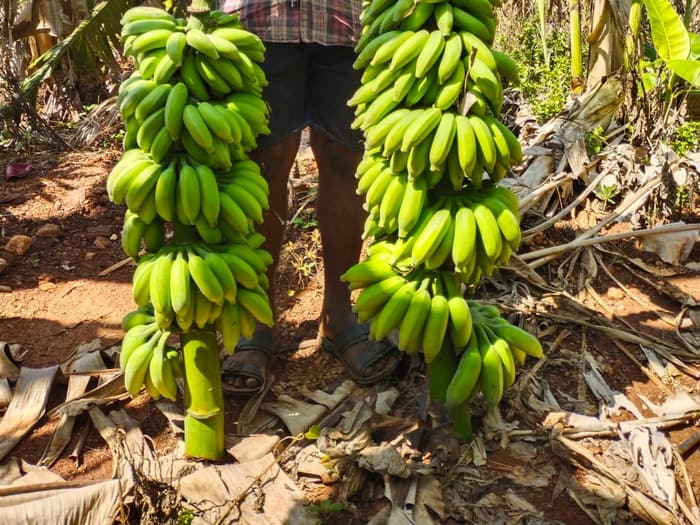
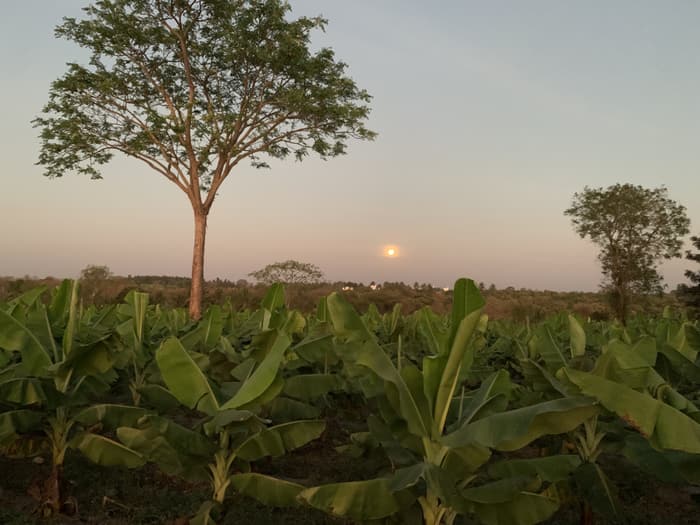
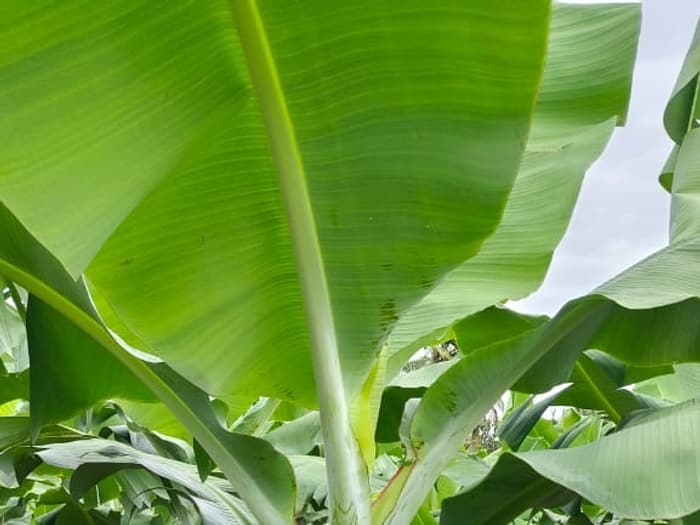
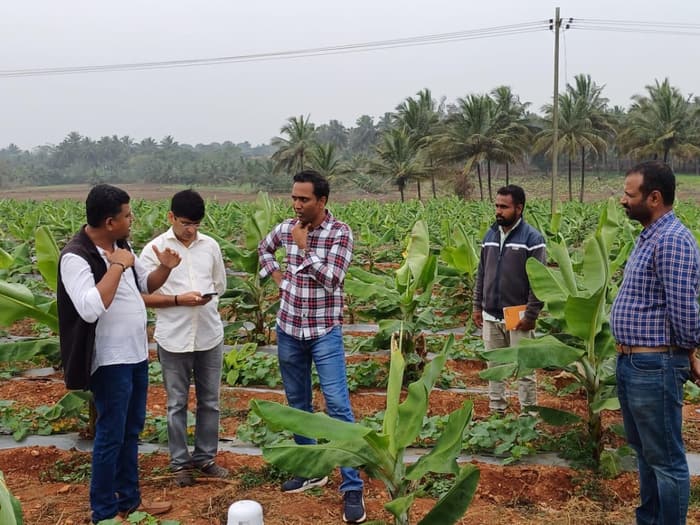
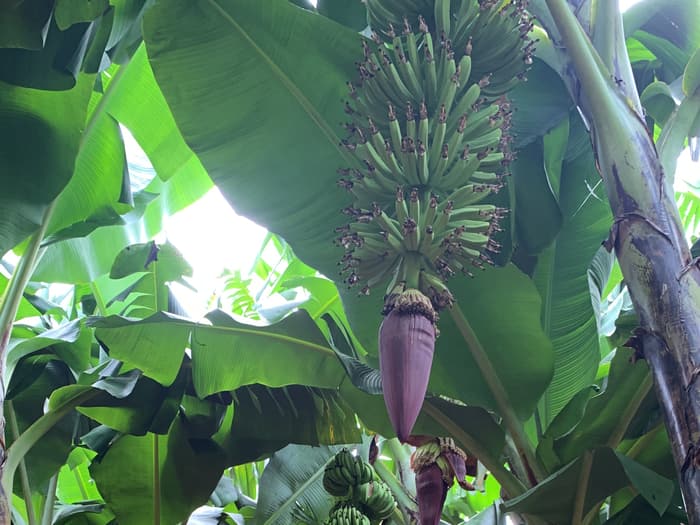
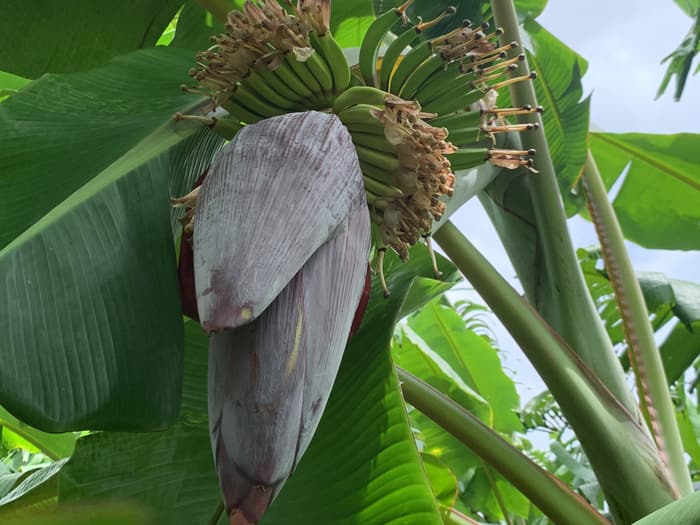
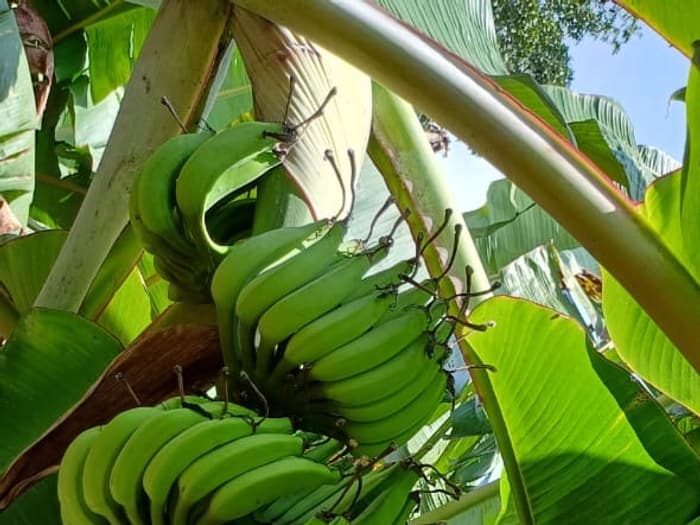
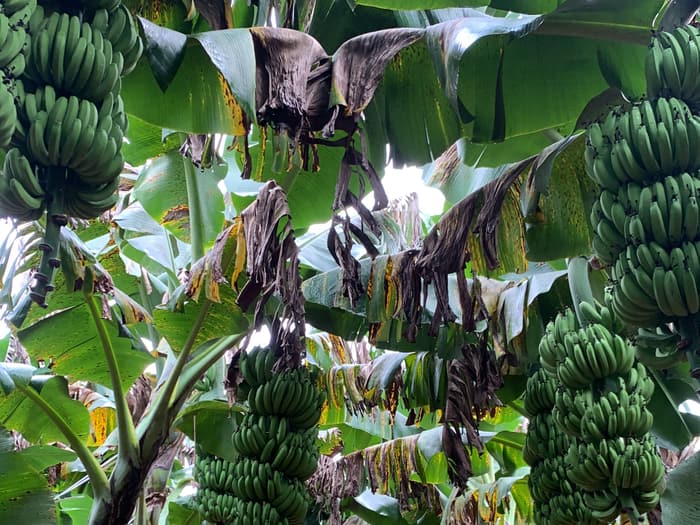
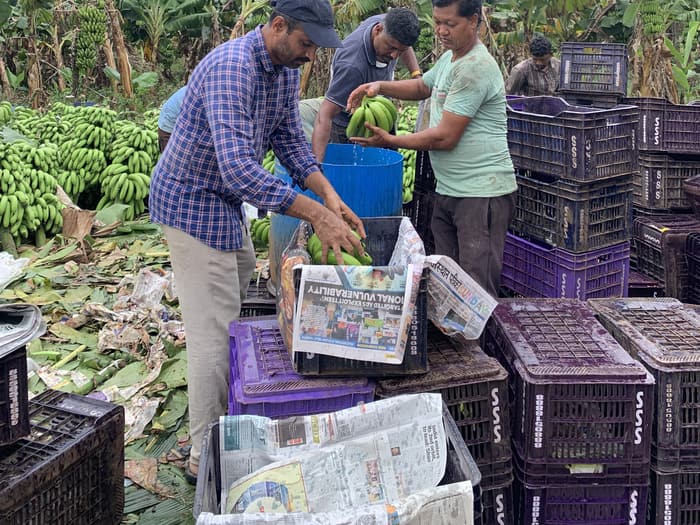
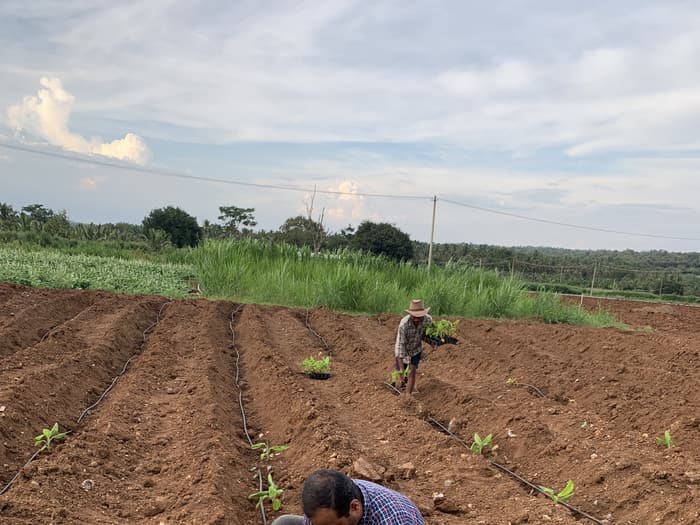
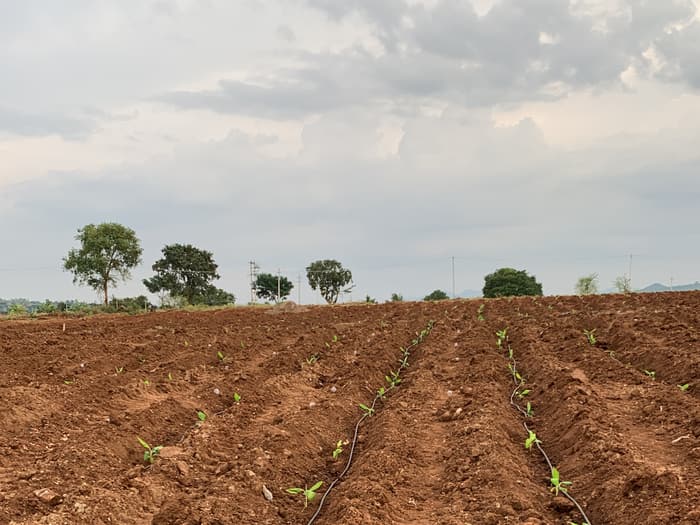
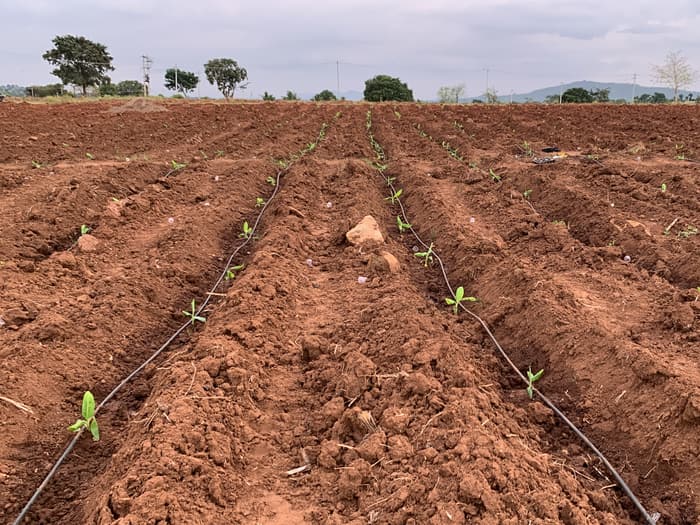
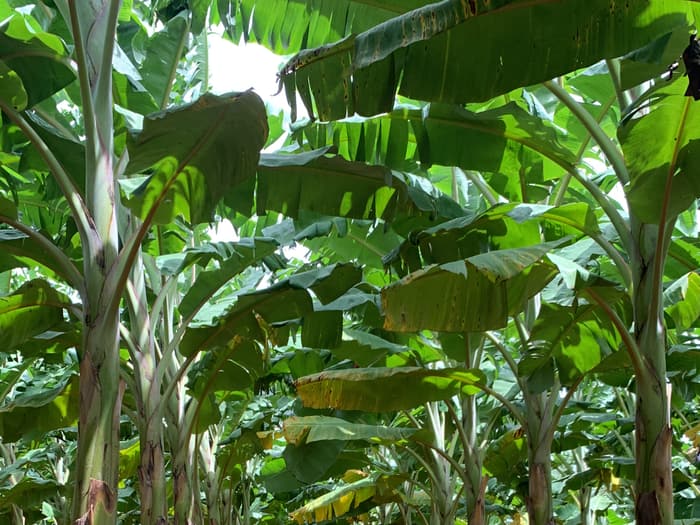
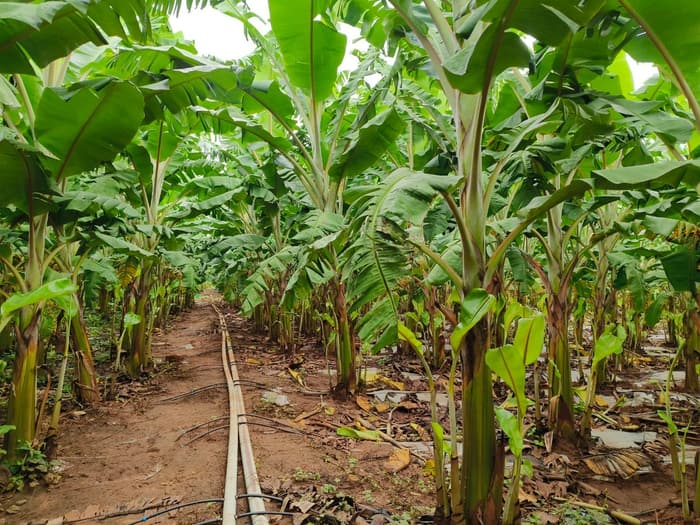
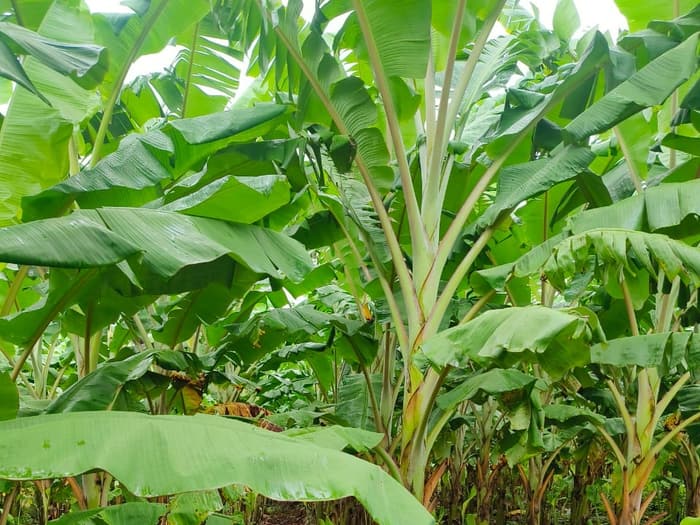
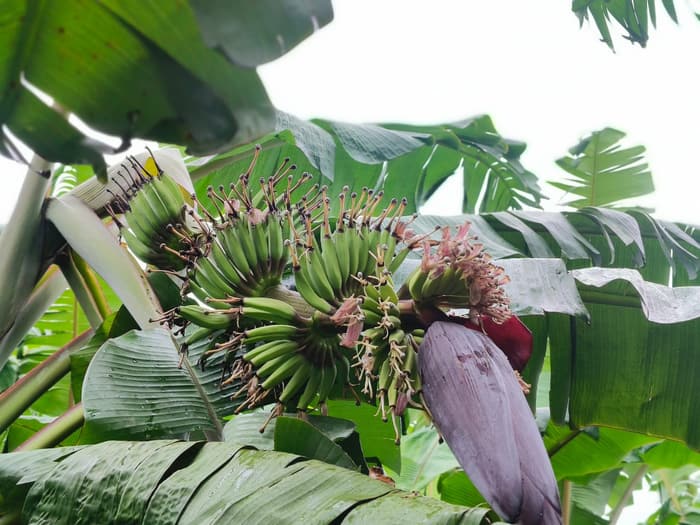
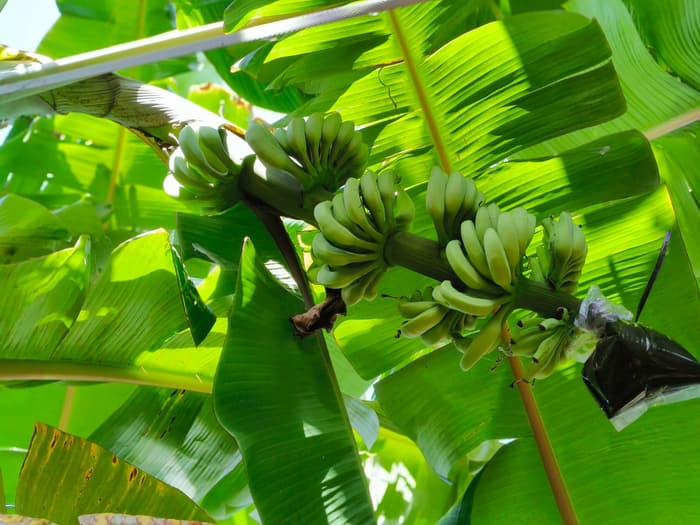
From the farms, this season
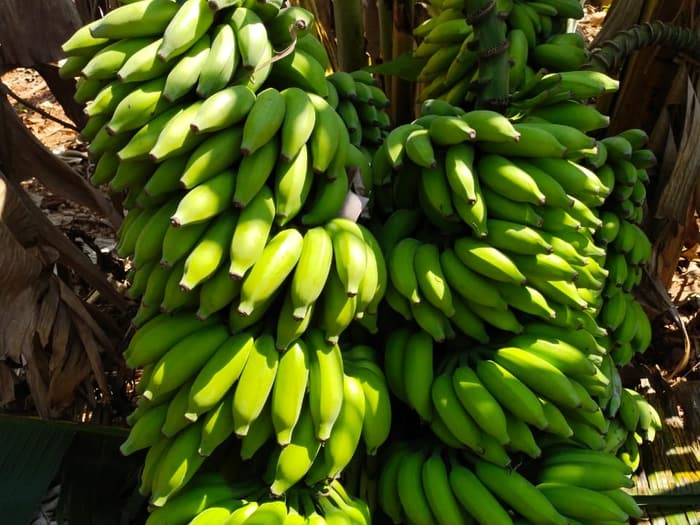
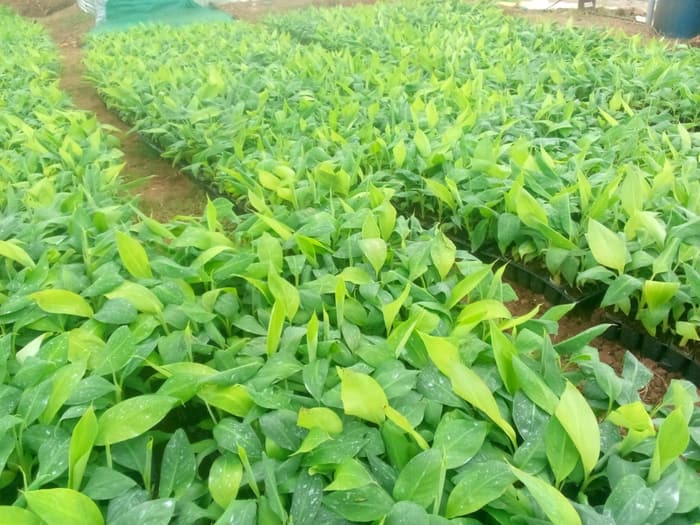
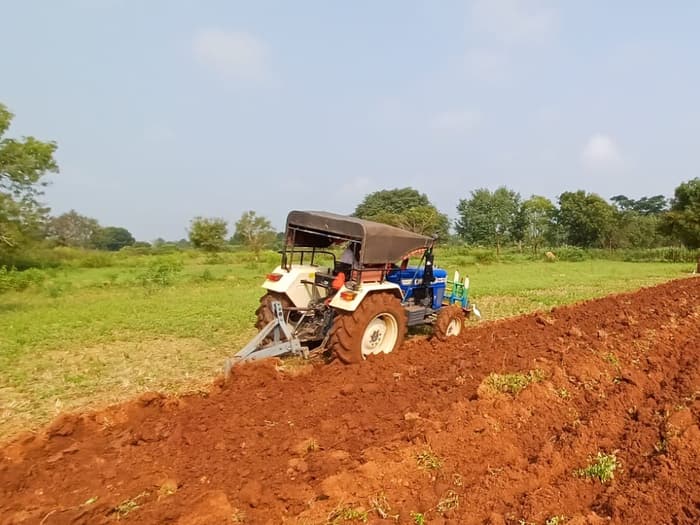
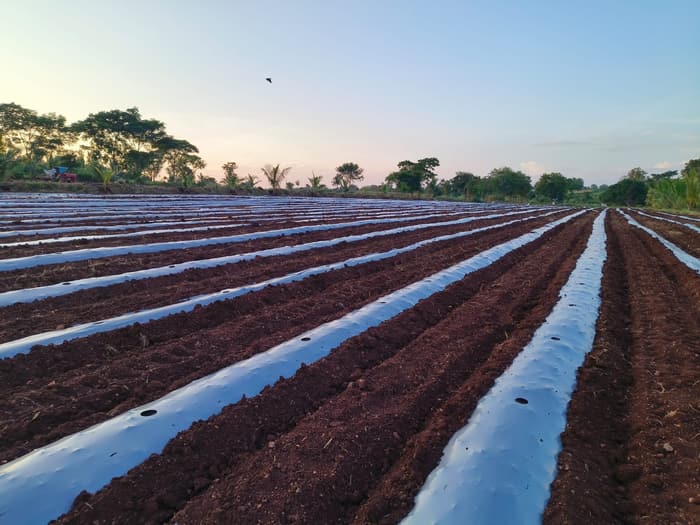
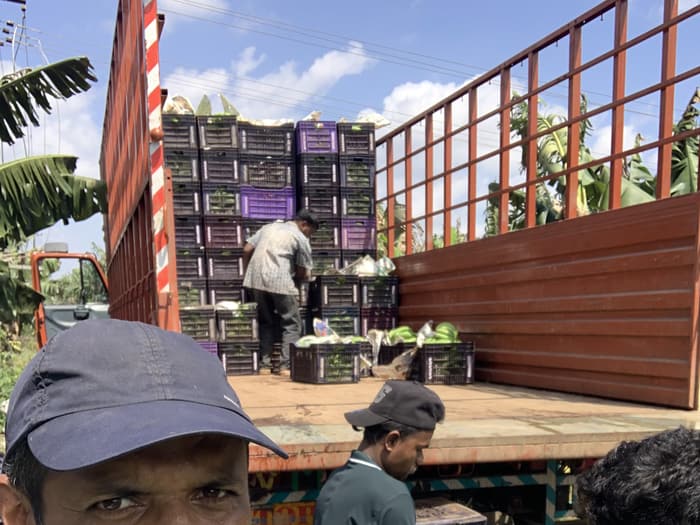
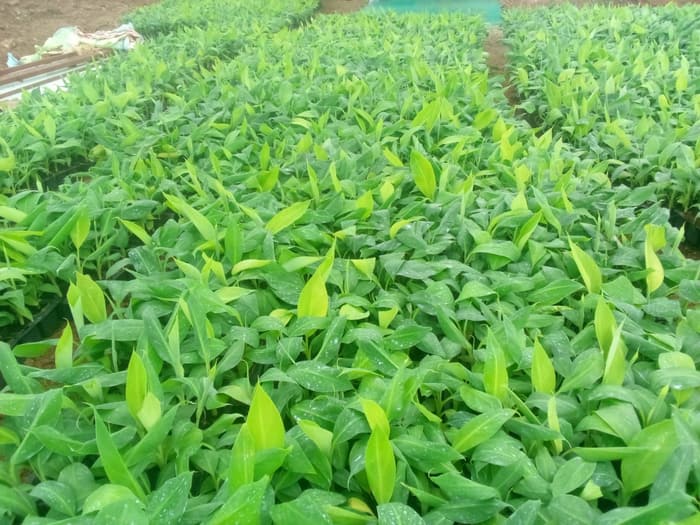
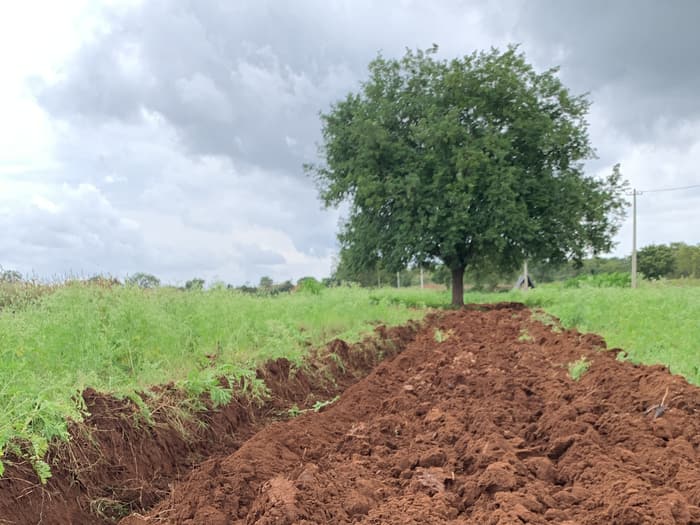
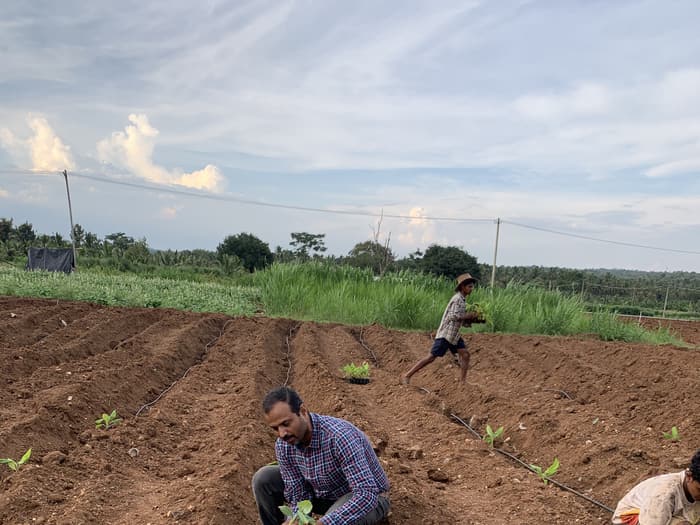
Photographs uploaded by the farm team as each cycle progresses — the same feed partners see in the CoFarm app.
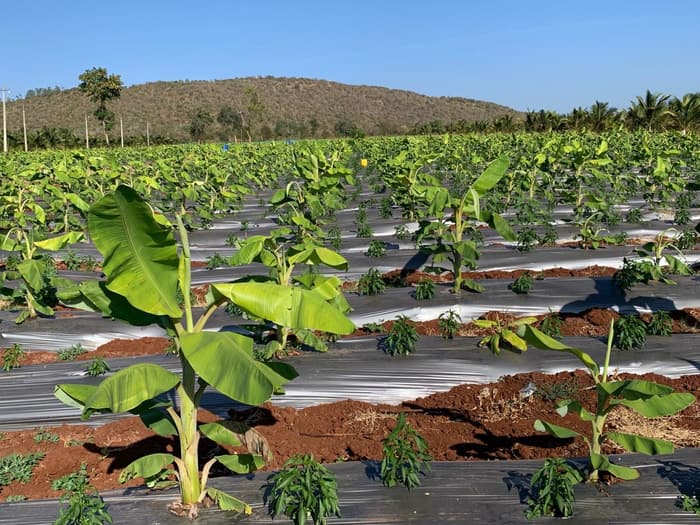
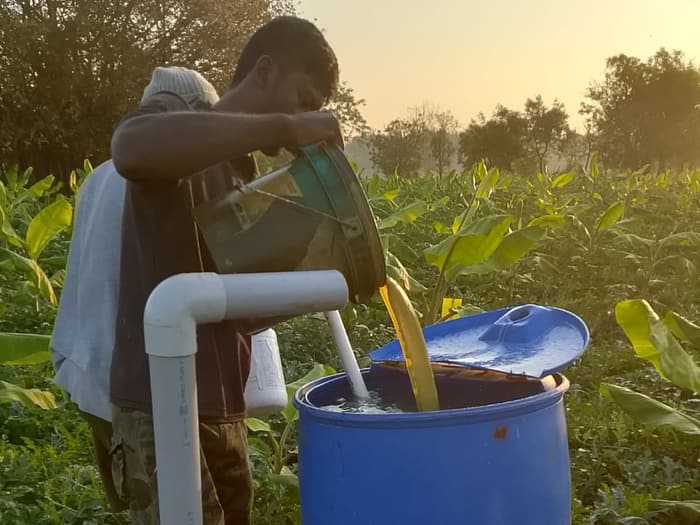
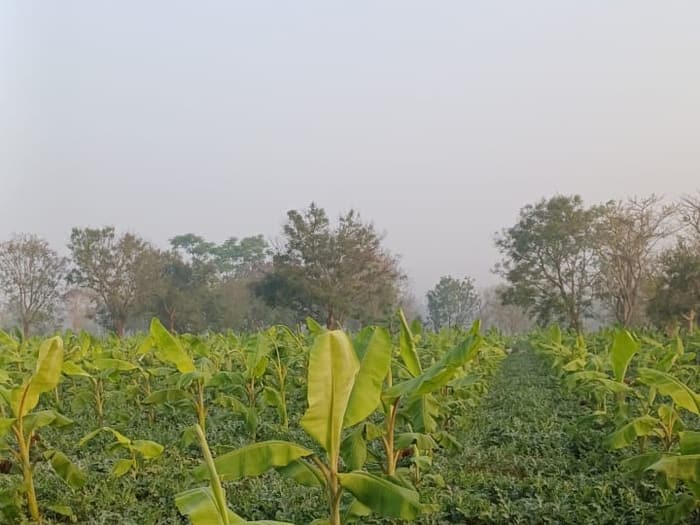
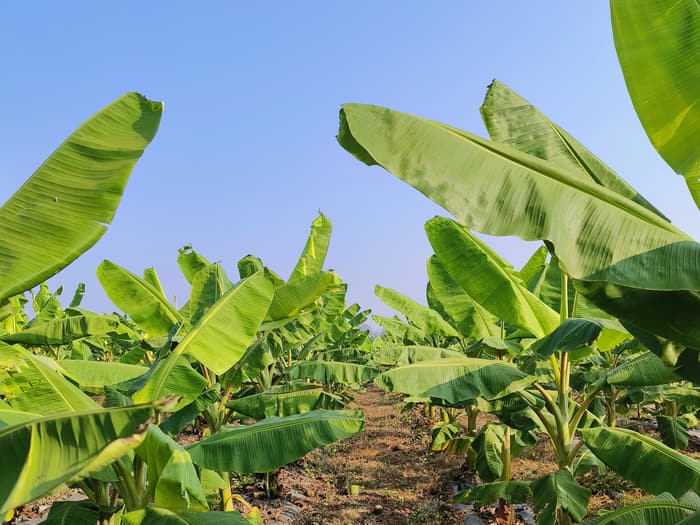
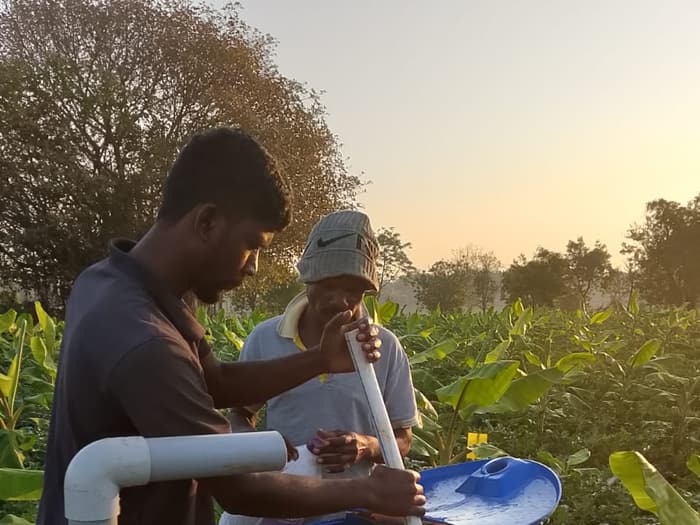
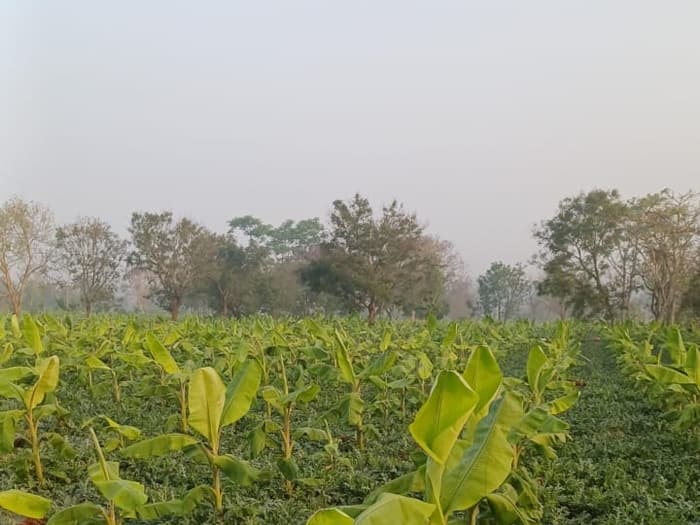
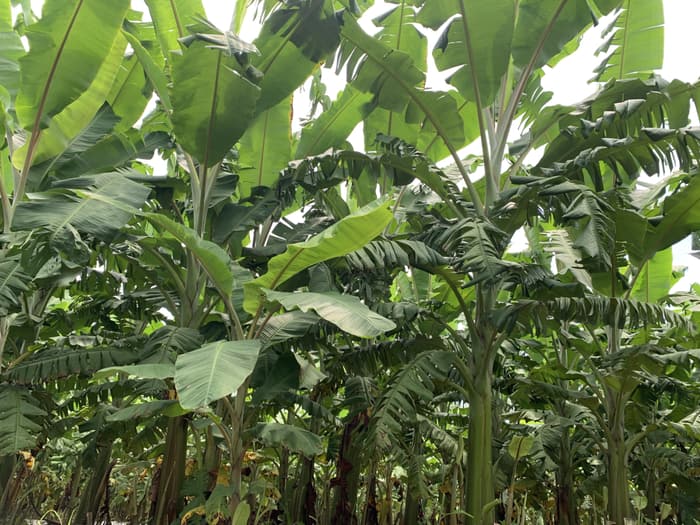
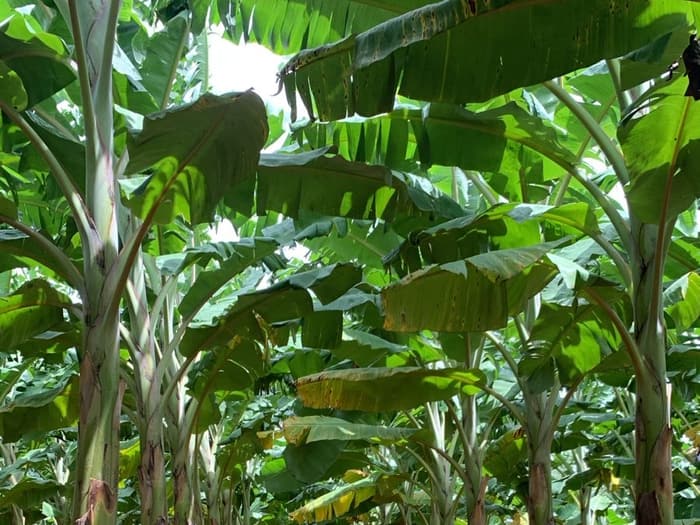
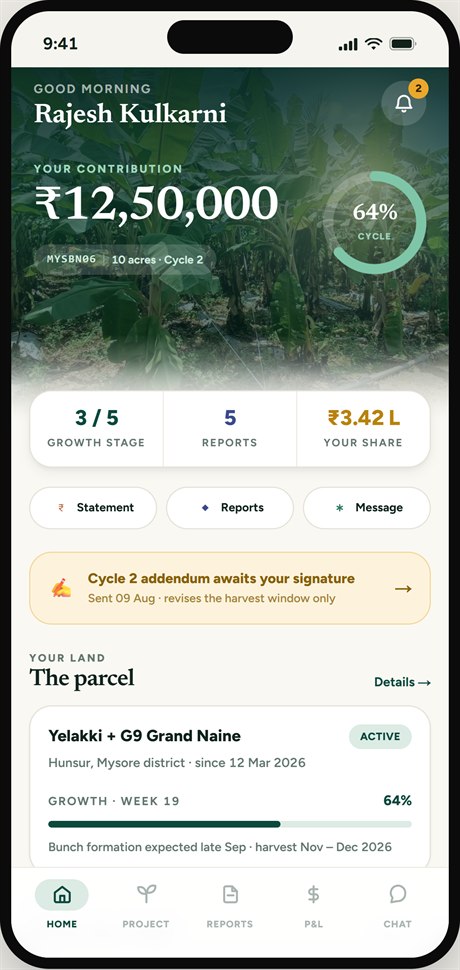
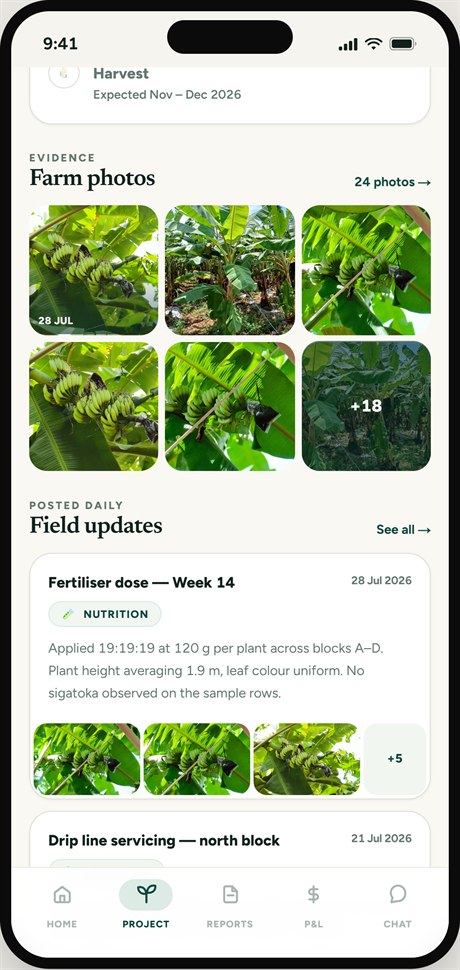
See your farm, every week
Your project dashboard, live milestone tracking, farm photo updates, monthly MIS reports, harvest details, P&L statements and direct messaging with the CoFarm team — with a push notification each time something changes.
- Documents signed digitally, in the app
- P&L published to every partner after each harvest
- Farm visits welcome — arrange one with the team any time
The questions partners actually ask
Everything you need to know about joining CoFarm as a farming partner — including the uncomfortable ones.
Ask us something elseWhat is the CoFarm farming partnership?+
CoFarm's farming partnership is a group farming model where like-minded individuals come together to grow bananas on professionally managed farmland. You contribute toward a farming cycle, CoFarm handles all on-ground operations — planting, irrigation, AI-assisted disease management and harvest — and the net proceeds from the harvest are shared between CoFarm and farming partners.
This is pure agriculture — not a financial investment scheme or securities product.
What do I actually get as a farming partner?+
As a farming partner you get a 50% share of net harvest proceeds from your assigned project, full transparency via the CoFarm app (MIS reports, farm photos, harvest data, P&L) — and a partnership agreement signed digitally. You are not purchasing land or a financial instrument; you are participating in a banana farming cycle as a partner.
How is each farm project structured?+
Each farming project covers 10 acres and is assigned a unique project code (e.g. MYSBN06). Multiple farming partners can be mapped to the same project. All MIS reports, harvest data and P&L shared with you are specific to your project code. CoFarm leases the land, manages all operations, and delivers harvest proceeds to partners at the end of each cycle — typically 12 to 14 months per cycle.
What banana varieties does CoFarm grow?+
CoFarm grows Yelakki and G9 Grand Naine bananas — two complementary varieties. Yelakki commands strong local market prices in South India. G9 delivers high yield volumes suited to commercial trade. Planting both varieties reduces risk from price fluctuations and seasonal demand shifts.
How much do I need to contribute to join?+
The farming contribution is structured on a per-acre basis. Specific contribution amounts are shared during the partner onboarding discussion — contact CoFarm directly for current project details.
Contribution covers: land lease · saplings & infrastructure · manure, nutrients & labour · maintenance & miscellaneous costs for a full crop cycle.
What is the payment schedule for my contribution?+
Your contribution is structured across three stages, aligned with the farming cycle's key milestones:
When will I get my principal contribution back?+
The farming partnership operates on a 3-year lock-in period. Here is how it works:
Each crop cycle runs approximately 12–14 months. The lock-in ensures continuity across three full growing cycles — giving both the farm and your partnership the best chance to perform.
How are harvest proceeds calculated and shared?+
After the harvest is sold, total revenue is calculated. Production costs for that cycle are deducted to arrive at net proceeds. The net proceeds are then split 50% to CoFarm and 50% to farming partners, proportional to each partner's contribution share. Full P&L documentation is made available to every partner via the CoFarm app after each harvest.
Are returns guaranteed?+
No. This is farming — harvest proceeds depend on actual yield, market prices and farm performance, all of which vary by season. CoFarm does not guarantee specific returns and does not treat this as a financial product.
What CoFarm does offer is full transparency, experienced farm management built over three production cycles, and a disciplined approach to risk management across six categories: farm selection, pest & disease, climate & water, soil health, skilled labour, and market access.
What happens to my contribution if the crop fails?+
Farming carries natural risk, and no crop cycle is fully insulated from weather, market or disease challenges. CoFarm's risk management practices — including AI-assisted disease diagnosis, certified planting material, drip irrigation and diversified varieties — are designed to minimise these risks. In a poor harvest cycle, net proceeds may be lower or nil. Partners share in the outcome of the actual harvest, as with any farming partnership. CoFarm maintains full transparency through MIS reports throughout the cycle.
How does CoFarm use technology in farming?+
CoFarm uses AI-powered disease diagnosis to identify and treat crop diseases with precision. Recently, AI was used to correctly differentiate between Fusarium wilt (fungal) and bacterial corm rot — enabling targeted treatment that saved an entire crop batch, something a standard consultant missed.
CoFarm also uses drip irrigation systems with fertigation scheduling, real-time farm monitoring and data-driven input management to optimise yield and minimise waste.
How will I stay updated on my farm's progress?+
Through the CoFarm app — available on iOS and Android. The app gives you access to your project dashboard, live milestone tracking, farm photo updates, monthly MIS reports, harvest details, P&L statements and direct messaging with the CoFarm team. You receive push notifications every time something significant is updated.
Can I visit the farm?+
Yes. CoFarm welcomes farming partners to visit their project farm. Farm visits can be arranged by contacting the CoFarm team in advance. Seeing your farm firsthand is something we actively encourage.
Is my harvest share taxable?+
Under the Income Tax Act, 1961, agricultural income earned by a farming partnership entity may be exempt under Section 10(1). Additionally, a partner's share of profit from a partnership firm is exempt in the hands of the partner under Section 10(2A).
Terms and conditions apply. Consult your CA for individual tax advice — tax treatment may vary based on your residential status and applicable rules.
What documents will I need to sign?+
You will be required to sign a farming partnership agreement that outlines your contribution, the project you are mapped to, the profit-sharing structure and the terms of the partnership. All documents are signed digitally through the CoFarm app.
Start a conversation about the next cycle
Tell us roughly how many acres you are considering and we will share current project details, contribution figures and the cycle calendar.
No obligation — and we would rather you visited a farm before deciding anything.